How Much Does a Playground Slide Cost?
Discover playground slide cost ranges by size, material, and type. Learn what affects price and how to budget for a safe, durable slide.

Carter Clark
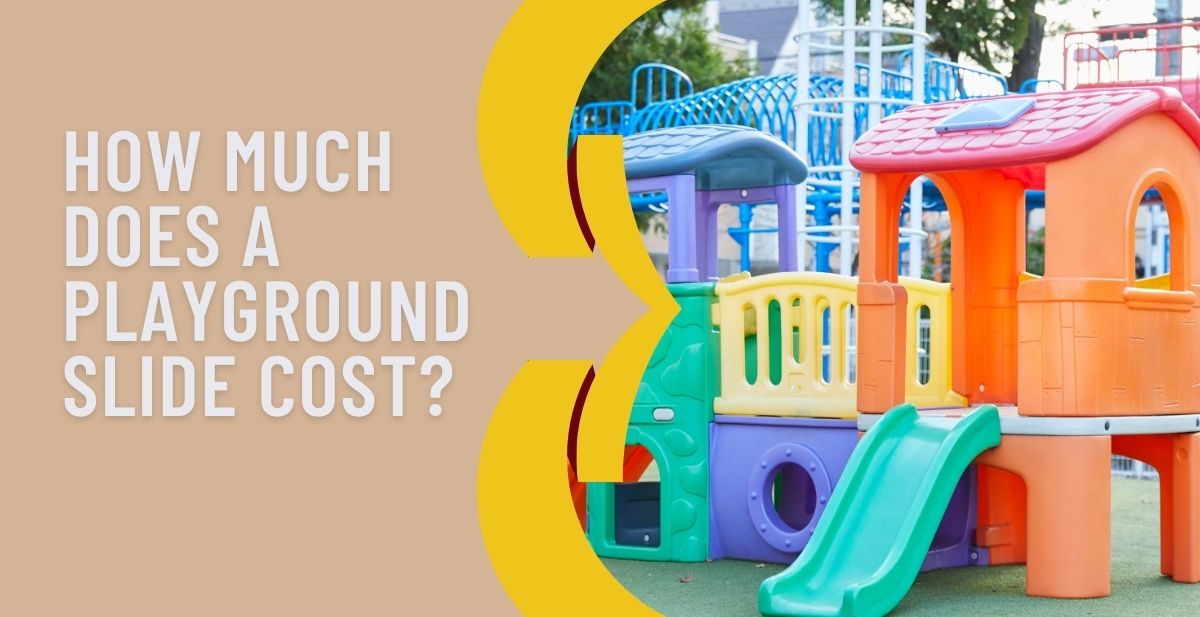
Playground slides are often the centerpiece of a play area. They attract kids, encourage physical activity, and add excitement.
But for schools, communities, or parents, cost is usually the first question. The price of a slide depends on several factors, and knowing these details helps you plan wisely.
Why Playground Slide Costs Vary
No two slides have the same cost. Prices vary based on size, material, type, and safety requirements. Custom features, such as colors, themes, or integrated platforms, increase the total cost. Installation and surfacing also influence the final budget.
Cost by Type of Playground Slide

Straight Slides
Basic and widely available. Cost ranges from $500–$5,000.
Curved Slides
Adds turns for more fun. Prices often fall between $2,500–$7,000.
Spiral Slides
Taller and more complex. Expect $5,000–$12,000.
Wave Slides
Features bumps for a rollercoaster feel. Range is $3,000–$8,000.
Tube Slides
Fully enclosed and material-heavy. Usually $7,000–$15,000+.
Cost by Material
Plastic Slides
Most common for younger children. Typically $500–$5,000 depending on size.
Steel Slides
Durable and built for high-traffic areas. Prices range from $3,000–$10,000.
Fiberglass Slides
Less common today, but still available. Usually $4,000–$9,000.
Additional Factors That Impact Price
- Size and height: Taller slides require more material and safety surfacing.
- Customization: Themed or color-specific designs raise costs.
- Installation: Professional setup adds to the budget but ensures safety.
- Surfacing: Required under playground standards; costs vary by material.
- Location: Shipping and regional labor rates influence the final price.
Tips for Budgeting a Playground Slide
- Set a clear budget early.
- Match the slide type to the age group for which it is used most.
- Factor in installation and surfacing from the start.
- Ask vendors for warranties and safety certifications.
- Balance cost with durability—cheaper slides may wear out faster.
Conclusion
The cost of a playground slide depends on the type, material, and size. Smaller options are affordable for early play, while larger custom slides require bigger investments. Considering long-term durability and safety makes the decision easier.
For expert guidance and high-quality playground solutions, visit Park N Play Design.