4 Underlooked Benefits of a Community Play Space
Community playgrounds can become a hub of community activity, strengthening community relationships, and fostering a sense of connection.

Carter Clark
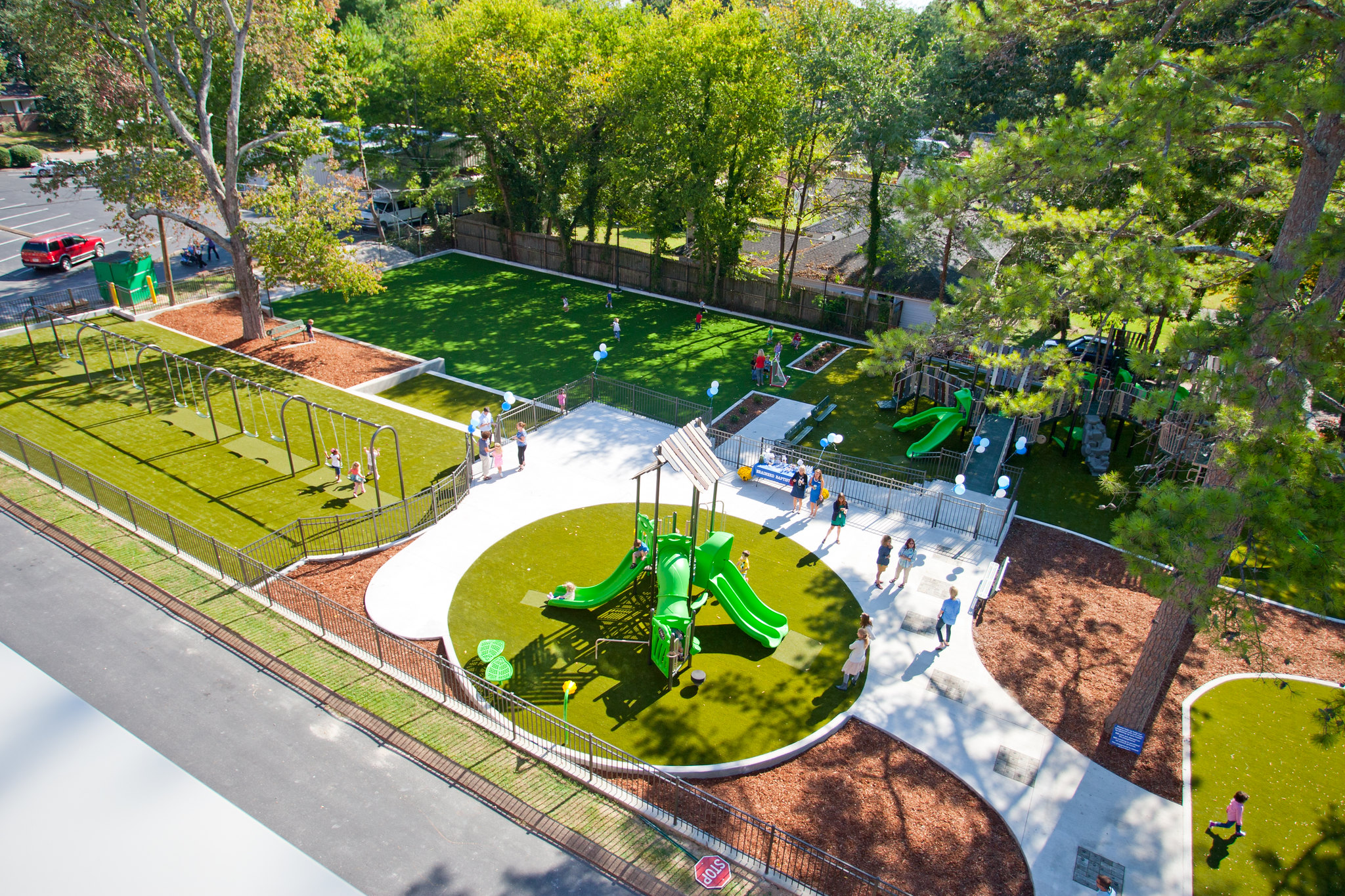
Community playgrounds are recognized as a place where children can come together and partake in recreational activities. But that's not the only role community playgrounds play. They also help to improve the overall standard of living in the surrounding area. Parents often bond while their children play, and their children get the opportunity to enhance their social, cognitive, and physical skills. Community playgrounds can become a hub of community activity, strengthening community relationships, and fostering a sense of connection.
1. Have Fun (For Free)
Heading to the local playground does not cost any money. There is no need to purchase a ticket or pay an entry fee. This makes the community park accessible and ensures everyone in the community can enjoy it. Playgrounds are a great spot to spend quality time with your family. They let you disconnect from the pressures of work while spending time outside in nature. The best things in life are free. 😊
2. Improve Mental and Physical Health
Children face increasing amounts of stress from social and academic pressures. Getting outside and spending time outdoors has been shown to contribute to good health and wellbeing. Combine that with extra time with your family, and you have a recipe for improving your health.
Some parks even have outdoor fitness equipment that you can take advantage of while your children are playing. This is where designing a playground for people of all ages becomes critical. If all family members have something to do while at the park, it makes trips to the park that much more enjoyable. Different play structures are designed for different age groups. The right playground design can ensure kids stay engrossed in play while keeping safety in mind. The more fun a park is, the better exercise your children get.
3. Build Communication Skills & Boost Confidence
Peer to peer interactions between children helps to foster cognitive and social skills, as well as make new friends. The physical challenge provided by play structures helps to increase the physical health and self-confidence of children.
4. Develop Perspective & Respect for Others
An oft-overlooked benefit of community playgrounds is the development of perspective. Interacting with other community members means that children will interact with community members of different gender and ability. This helps to enlighten the respect for each other and create a more inclusive community that can be enjoyed by all.
The benefits a playground can bring to the entire community should not be underestimated. Hence, proper attention and resources should be employed to create a safe and recreational environment for every child outside the home. Community parks are incredibly beneficial to society. If your community could use a park or playground, we can help you plan it!
We work to design parks that are accessible and fun for all age groups. Interested in building a playground for your community? Contact us!