Play By Numbers: A look at the stats behind National Demonstration Site standards
We help planners and schools design parks that meet top standards and qualify for National Demonstration Site recognition across Canada.

Carter Clark

Taking on the challenge of building a new park or playground can be a lot of fun – and a lot of opportunity! We work with many urban planners, school communities and landscape architects who want to ensure their new space meets best practice standards – ultimately earning them national recognition as a National Demonstration Site (NDS).
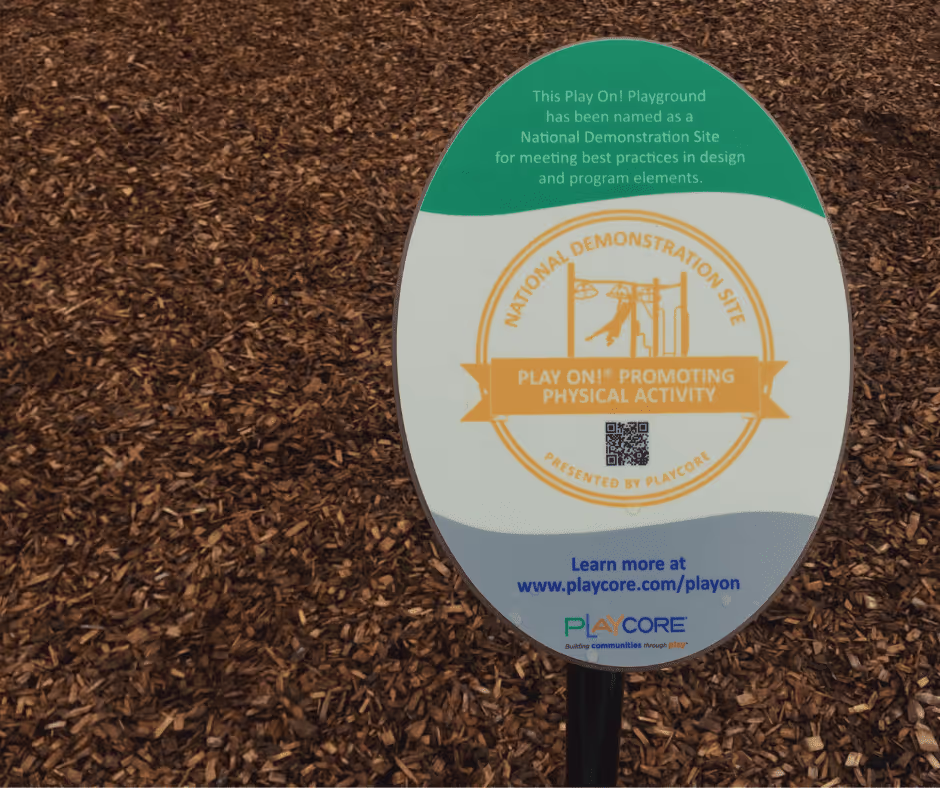
In some of our other posts, we've talked about what NDS accreditation is and some of the benefits of the designation, which defines best practice standards rooted in expert research. We’ve seen many of our clients reap the rewards of using research-based evidence to drive design decisions for creating impact in a community.
So today we explore some of the numbers behind NDS standards:
5 There are five distinct designations defining best practice in play design including: inclusive playgrounds, pathways/trails, naturalized playgrounds, adult outdoor fitness and physical activity.
20+ We’ve built 20+ parks and playgrounds aligned to National Demonstration Site standards in communities across Canada, including Calvin Christian School, Guardian Angel School and L.Y. Cairns School.
100% A recent study in Tennessee saw that 100% of respondents stated that the addition of “play pockets” to their park’s pathway system increased the duration of stay for their family.
7 Building a nationally accredited inclusive playground, accessible by all, adheres to the 7 Principles of Inclusive Design
- Create Equitable Opportunities
- Be Included
- Be Smart
- Be Independent
- Be Safe
- Be Active
- Be Comfortable
6-20 On average, there are 6-20 pieces of equipment that are included a play space, creating opportunity to design for multiple functions, ages and abilities.
4 There are four core physical benefits of outdoor exercise, including: Aerobic Fitness, Muscle Fitness, Core Fitness and Balance/Flexibility.
6 There are six key play elements to promote fitness development: balancing, brachiating, climbing, spinning, sliding, and swinging.
These activities are categorized to ensure a "developmentally appropriate total body workout" to help kids stay active, learning to enjoy physical activity.
3 Creating an NDS park or playground comes down to 3 steps:
- Design your park, working with an NDS trained representative (which we are!).
- Collaborate with your project lead and the community to ensure the right design fit for your space.
- Engage your community with the space. Have fun and encourage them to share their own fun experiences on your nationally recognized playground.
Ready to get started building an NDS or eager to learn more? Connect with us! Let's build together.
Resources: gametime.com/nds , gametime.com/playtrails , gametime.com/resources/me2, gametime.com/resources/play-on, gametime.com/resources/outdoor-adult-fitness-parks